Sciatica Treatment in Bath
Sciatica can cause pain and other symptoms that travel from the lower back or buttock into the leg, making walking, sitting, working and everyday movement uncomfortable.
Charlie assesses and treats sciatica, looking at the pattern of your symptoms, your movement and the factors contributing to the irritation of the sciatic nerve.
Understanding Sciatica
Sciatica describes symptoms associated with irritation or involvement of the sciatic nerve.
The symptoms are often felt through one side of the body and can extend from the lower back or buttock into the thigh, calf or foot.
What does sciatica feel like?
Sciatica can feel different from person to person.
Symptoms can include:
• Pain through the buttock or leg
• Tingling or pins and needles
• Numbness
• Burning or shooting pain
• Changes in strength
• Back pain alongside leg symptoms
Some people find sitting difficult, while others notice symptoms more when standing, walking, bending or changing position.
What causes sciatica?
There are several reasons the sciatic nerve can become irritated.
Charlie uses your history, examination and neurological findings to understand where your symptoms are coming from and what is contributing to them.
Assessment and Treatment
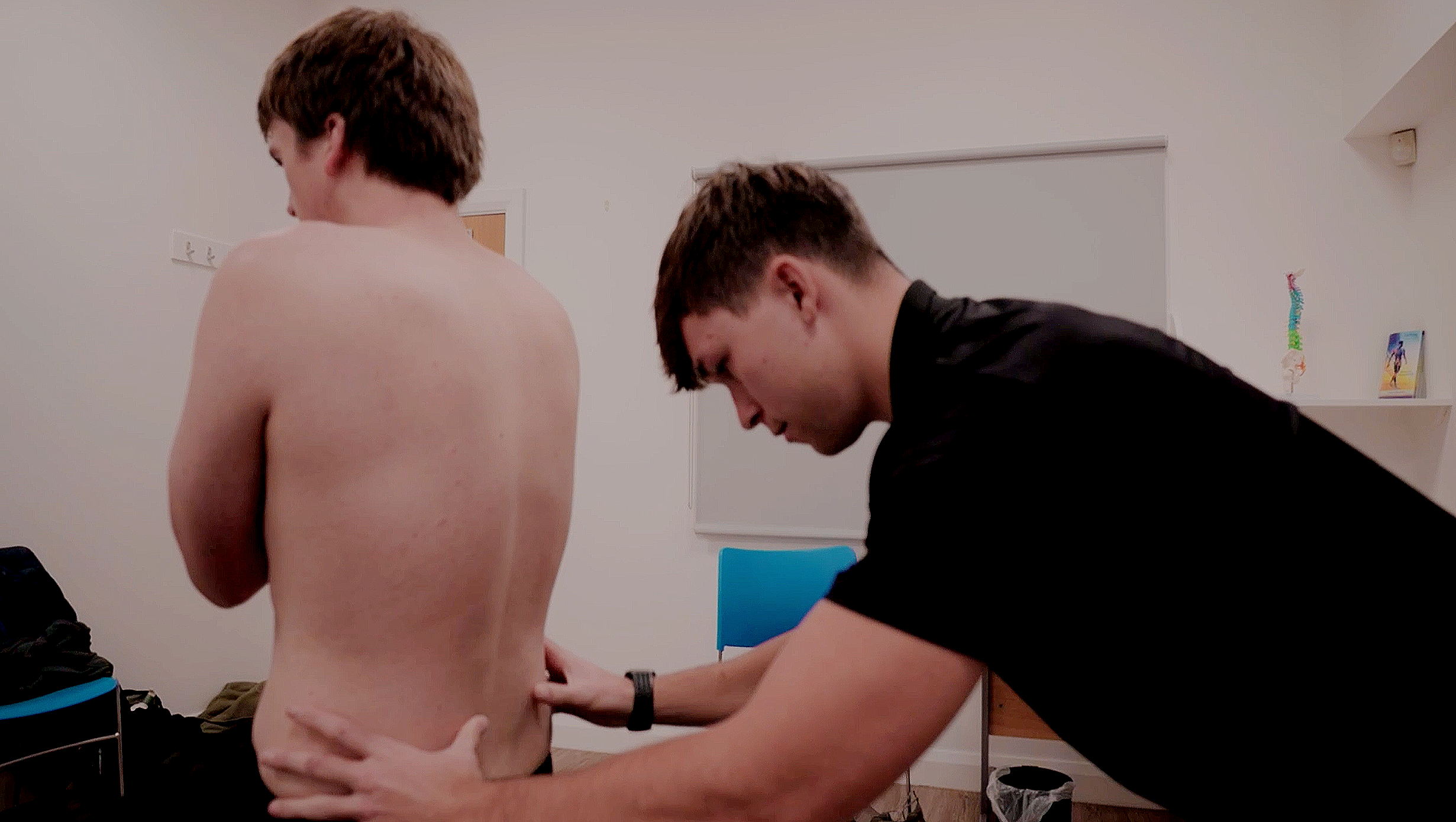
Charlie assesses your lower back, movement and neurological function to understand the full pattern of your nerve-related symptoms.
Your assessment can include testing strength, sensation, reflexes and movements that reproduce or ease your symptoms.
Once Charlie has identified the likely cause and pattern, he will explain his findings and build your treatment and rehabilitation plan.
What can sciatica treatment involve?
Your treatment can include:
• Spinal or joint manipulation
• Mobilisation
• Soft tissue treatment
• Exercises tailored to your symptoms
• Progressive rehabilitation
• Advice on movement, sitting and activity
• Guidance on returning to work, exercise and normal activity
The aim is to reduce irritation, improve movement and help you regain confidence in using your back and leg.
Important safety information
Seek urgent medical assessment if you develop new numbness around the genitals or between the legs, changes in bladder or bowel control, or severe or worsening weakness affecting both legs. These symptoms require urgent assessment
Frequently Asked Questions
Is sciatica the same as back pain?
No.
Back pain and sciatica can occur together, but sciatica specifically involves symptoms associated with the sciatic nerve and often extends into the buttock or leg.
How long does sciatica take to improve?
There is no single recovery time because sciatica can vary considerably in severity and cause.
Charlie will assess your individual presentation and monitor how your symptoms, movement and activity change as treatment progresses.
Should I keep moving if I have sciatica?
Movement is often an important part of recovery, although some positions or activities may need to be adapted while symptoms are irritable.
Charlie can advise you on how to stay active and which exercises best suit your presentation.
Can sciatica cause tingling or numbness?
Yes.
Because sciatica involves a nerve, symptoms can include tingling, pins and needles or numbness as well as pain.
Neurological testing forms an important part of Charlie’s assessment when these symptoms are present.
Charlie’s Approach
Charlie takes time to understand the full pattern of your symptoms. Treatment combines hands-on care with movement and rehabilitation to help you regain function and confidence.
About Charlie
Charlie Fry is a Bath-born chiropractor registered with the General Chiropractic Council and a member of the British Chiropractic Association.
His approach is evidence-based, personalised and focused on helping you move with greater confidence. Read more about Charlie on our About page.
Appointments and fees
All new patients start with an Initial Consultation and Treatment appointment.
Initial Consultation and Treatment: 60 minutes, £80.
Follow-up Treatment: 30 minutes, £50.